
Job Overview
Location: Breslau, Ontario
Structure: Detached residential house, under 2,000 sq. ft., built in the 1970s
Problem: Interior mouse activity
Service: Mouse treatment and exclusion
Visits: Four
Summary
We responded to reports of mouse activity inside a small detached home in Breslau. The service involved a multi-visit mouse control program using interior tamper-resistant bait stations, followed by targeted exterior exclusion work to address identified entry points. All pest control work was completed by a licensed exterminator in accordance with Ontario Ministry of the Environment guidelines.
Background / Property Context
The property is a detached house constructed in the 1970s. Homes of this age commonly have aging foundation interfaces, wall penetrations, and exterior vents that can develop gaps over time. The structure is surrounded by landscaped areas and hard surfaces that can allow rodents to travel along foundation edges.
Customer Concern
The homeowner reported signs of mouse activity inside the home, including suspected movement and activity within interior spaces. The concern was ongoing and required population reduction as well as identification of potential exterior entry points.
Inspection & Findings
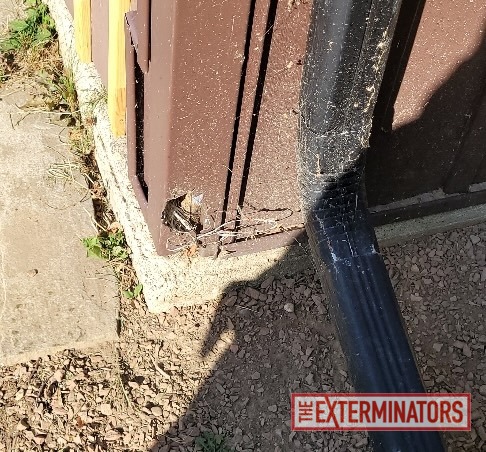
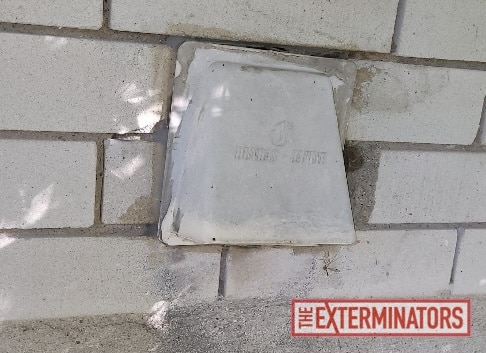
During the initial visit, our technician conducted a full exterior inspection focusing on the foundation line, wall penetrations, vents, and service entry points. Several areas along the lower exterior showed gaps at the foundation interface and around a wall vent that were consistent with potential mouse entry.
Interior inspection confirmed suitable locations for rodent control devices. Tamper-resistant bait stations were installed indoors in appropriate areas to safely target mouse activity.
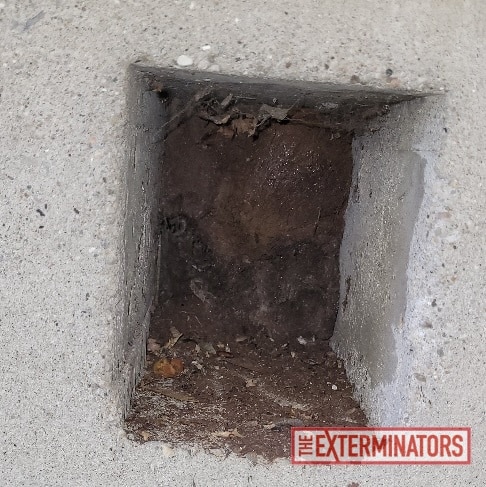
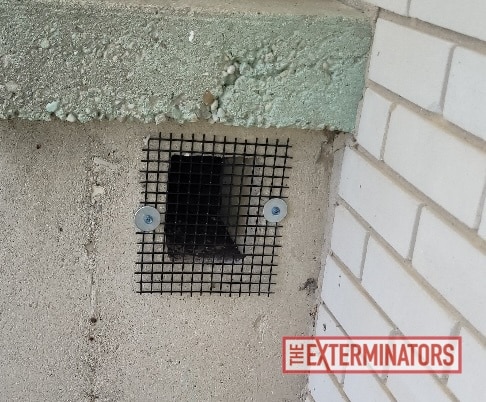
Photos taken during service show: Gaps and deteriorated material along lower wall sections near grade level. An exterior wall vent with surrounding openings at the foundation interface. Foundation edges and utility-adjacent areas where small voids were visible
Cause Analysis
Mouse activity was likely caused by small exterior gaps created through normal building aging and material deterioration. Foundation-line voids and unsealed wall penetrations provide mice with concealed access points into wall cavities. Once inside, mice are attracted to interior shelter and food availability, allowing activity to persist without intervention.
Treatment / Removal
A mouse control program was initiated using tamper-resistant interior bait stations containing commercial-grade rodenticide. Stations were placed in accordance with safety standards and regulatory requirements.
- Visit 1: Initial inspection and installation of interior bait stations
- Visit 2: Rebating of all interior bait stations
- Visit 3: Rebating of all interior bait stations to continue population reduction
This phased approach allowed for ongoing monitoring and effective reduction of mouse activity over time.
Exclusion & Repairs
On the fourth visit, permanent exclusion work was completed to prevent re-entry. This included:
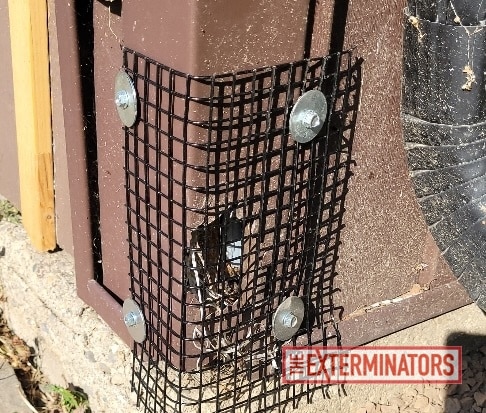
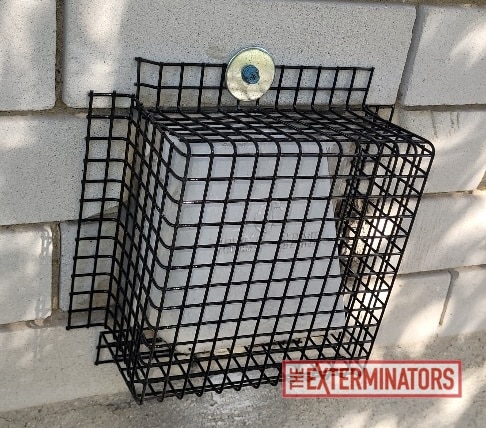
- Sealing one exterior wall vent to eliminate gaps around the penetration
- Closing one identified foundation gap along the exterior wall
Materials were installed to create a durable barrier while maintaining the function of the venting system.
Outcome & Confirmation
Following baiting and exclusion, mouse activity was reduced and no new interior signs were reported. Final inspection confirmed that the identified entry points had been properly sealed and that the exclusion work remained intact at the time of service completion.
Technician Notes
The service was completed over four visits by technician Shaohua. Interior bait stations were maintained until activity subsided, and exterior exclusion was completed once access points were clearly identified. No further mouse activity was reported at the conclusion of the service.
Contact us at 226-778-3098