
Job Overview
Location: Kitchener, Ontario
Structure: Two-story, detached house
Problem: Carpenter ant activity and multiple potential rodent entry points
Service: Carpenter ant treatment and rodent exclusion
Visits: 2
Summary
A homeowner in Kitchener contacted our team after observing carpenter ant activity and requested treatment. During the initial service, our technician also identified multiple exterior openings that could provide rodents with access to the structure.
The carpenter ant problem was treated, and the homeowner approved additional exclusion work during the same visit. Eight wall vents, forty weep vents, and eight siding gaps were secured. At the follow-up, the homeowner reported no further carpenter ant activity.
Background / Property Context
The property was a two-story detached house with exterior siding, masonry veneer, foundation walls, wall vents, and landscaped areas around the perimeter.
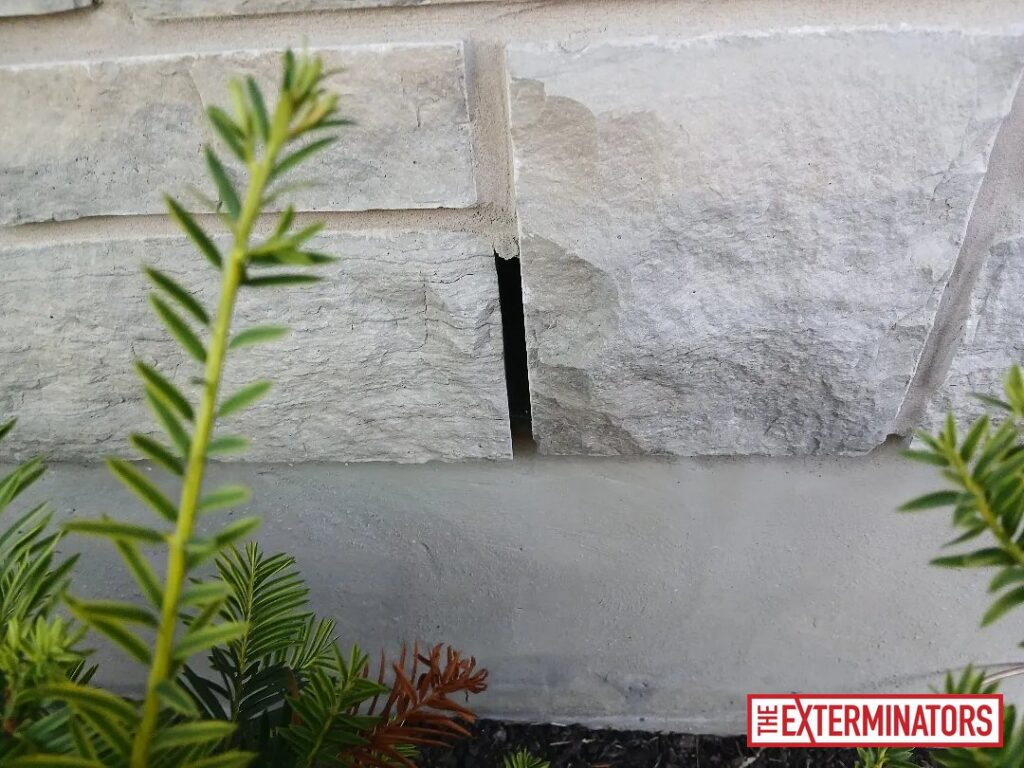
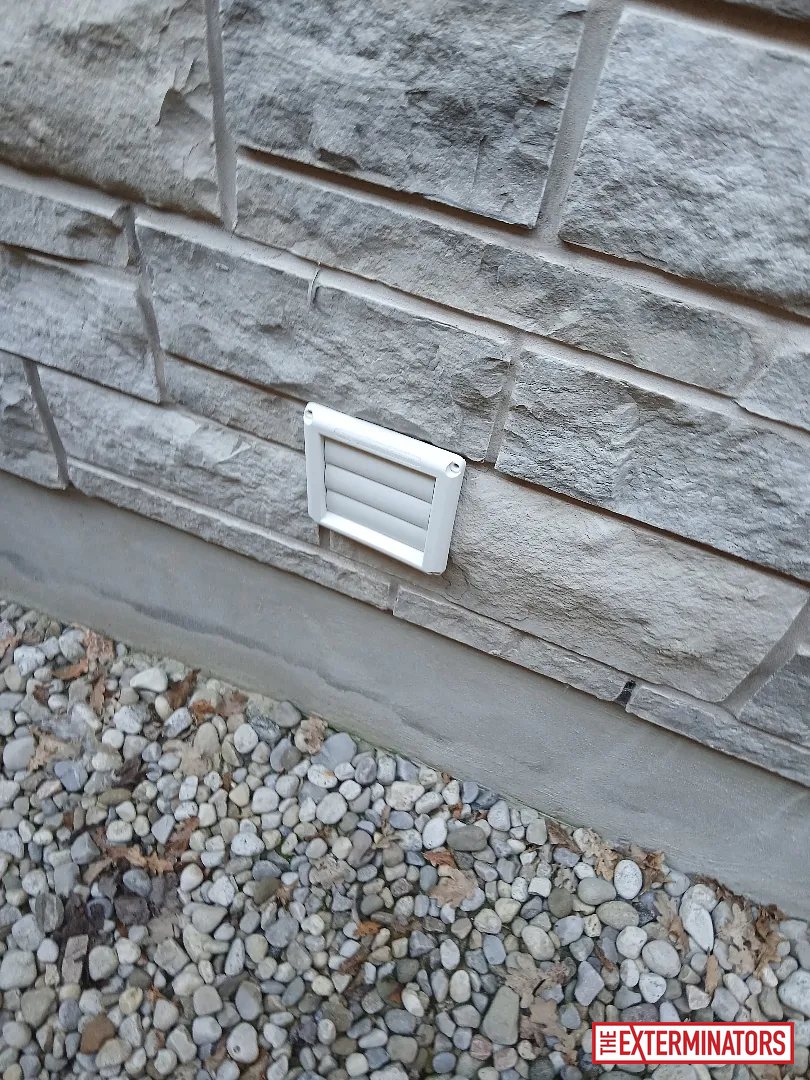
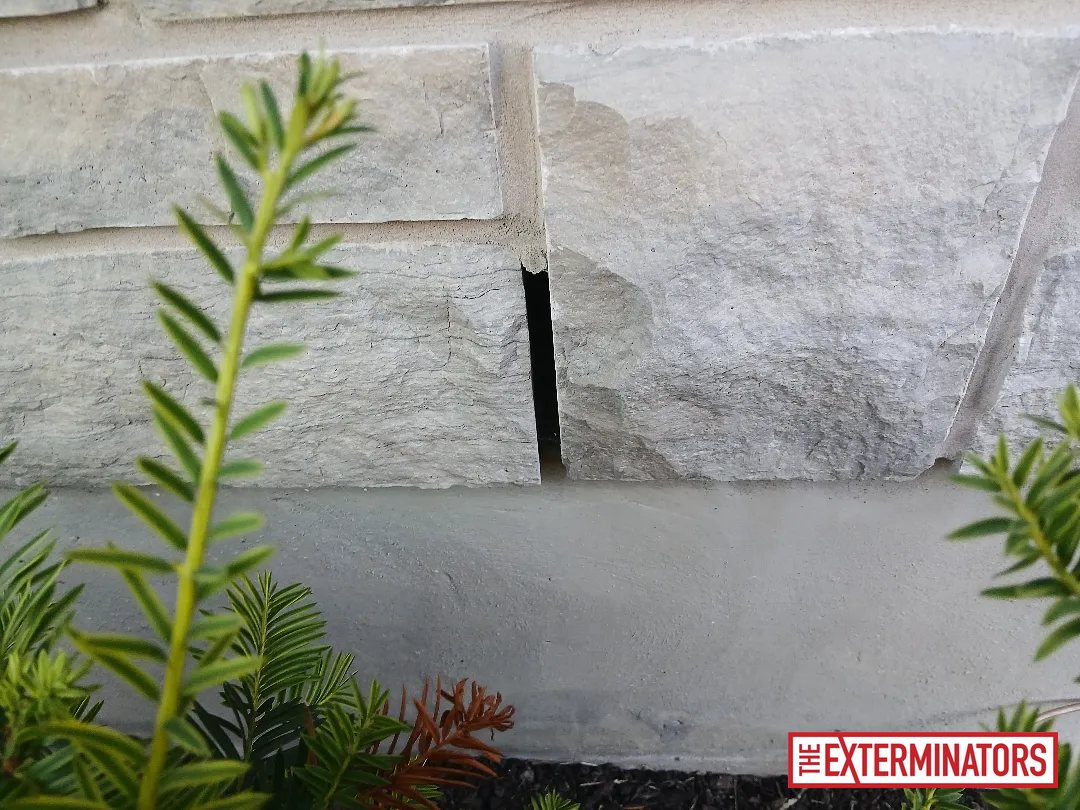
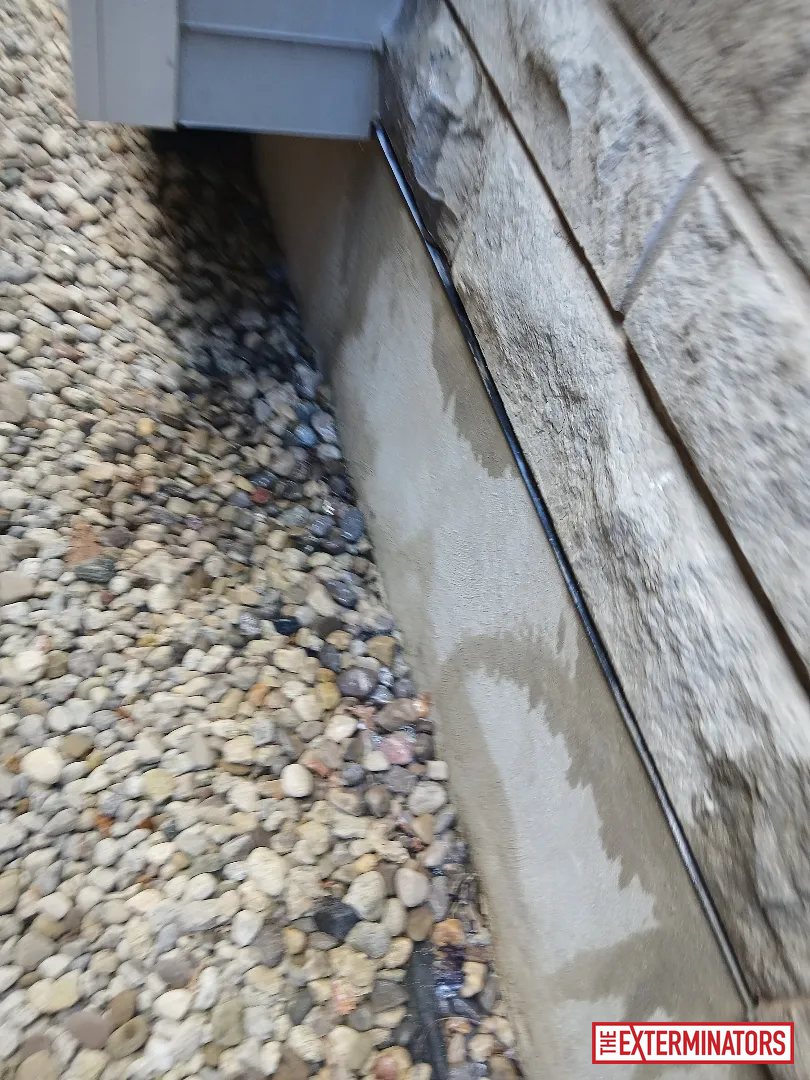
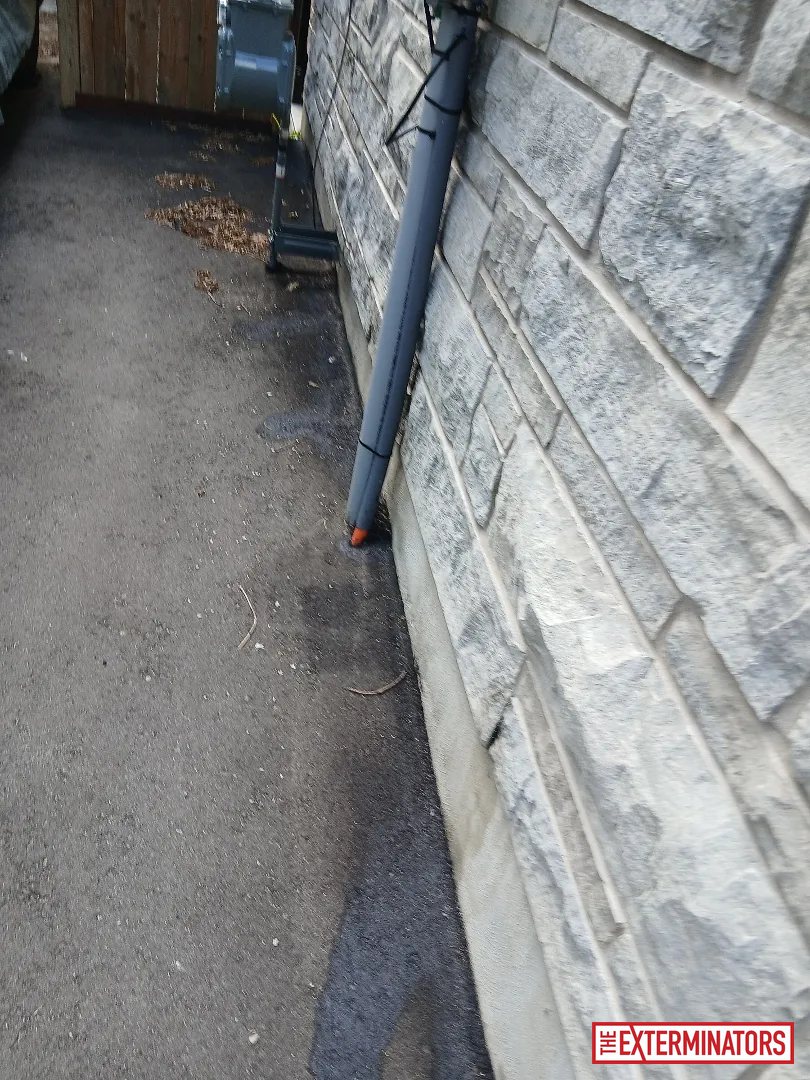
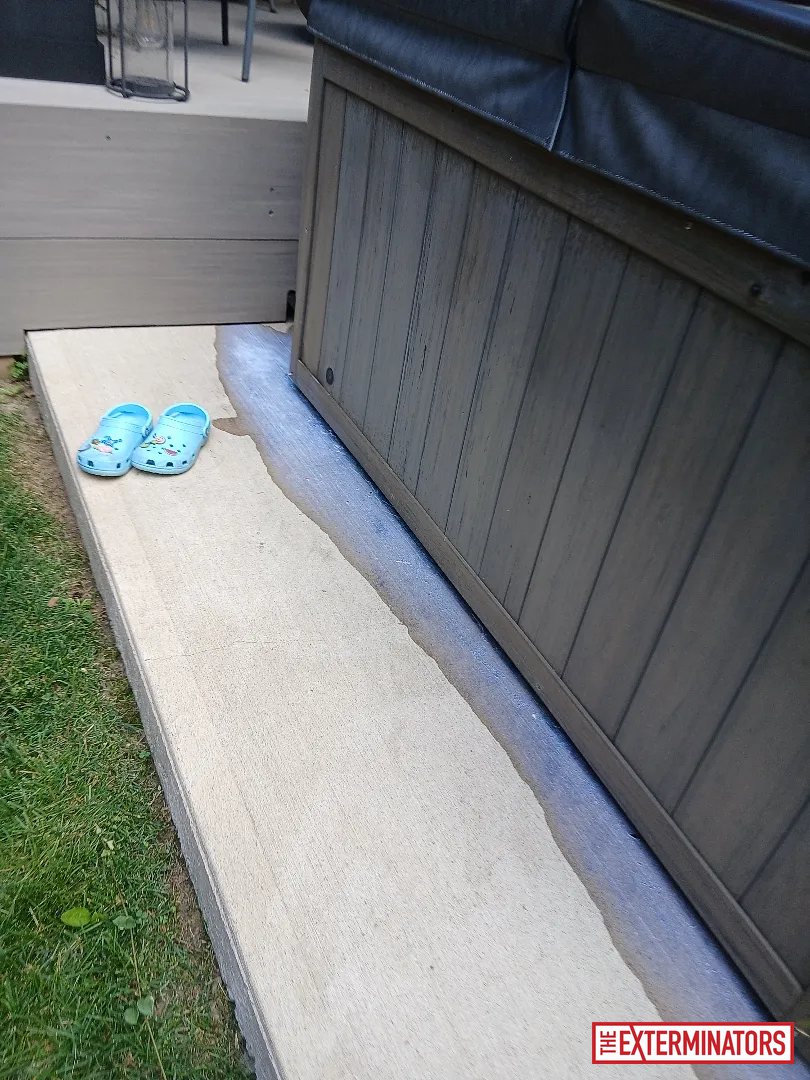
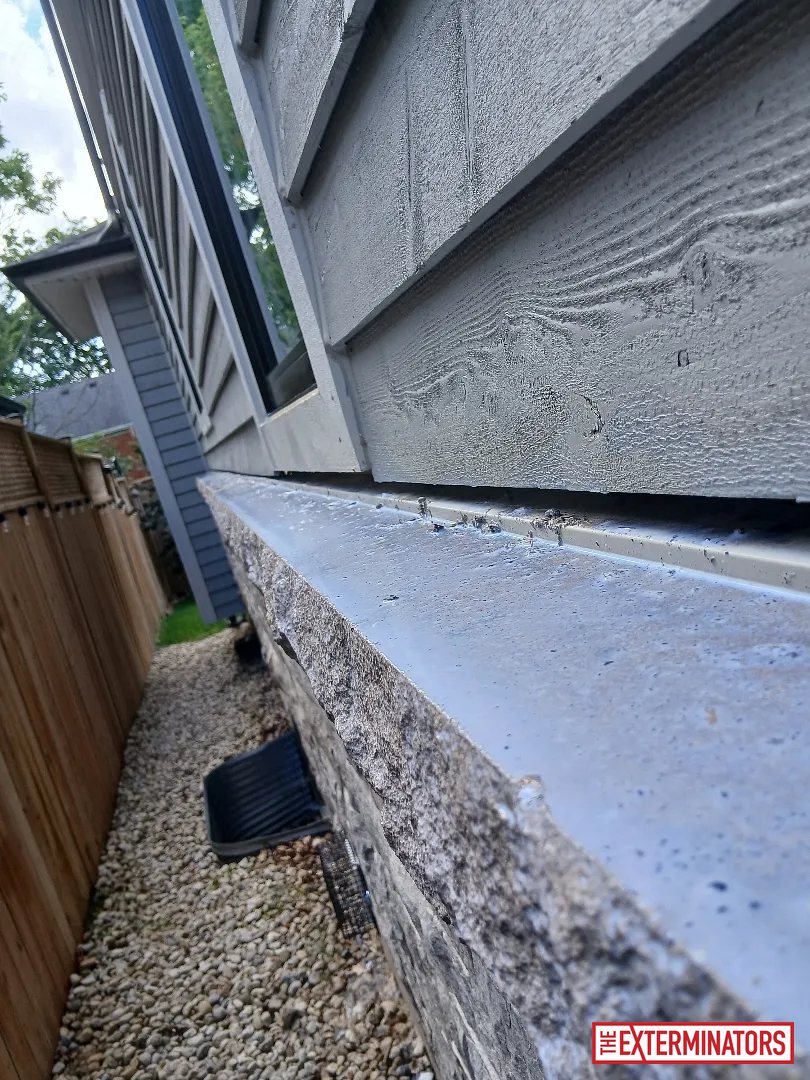
During the exterior assessment, several types of construction openings were identified. The photographs document gaps at siding and masonry transitions as well as ventilation openings around the exterior.
Customer Concern
The homeowner’s original concern was carpenter ant activity at the property. Our team attended to inspect the affected areas and provide treatment.
While completing the service, the exterior inspection also identified numerous openings with the potential to allow rodents into protected spaces within the structure. The homeowner elected to have these areas excluded.
Inspection & Findings
Andrew inspected the property and identified multiple vulnerable areas around the building envelope. These included wall vents, masonry weep vents, and gaps associated with the exterior siding.
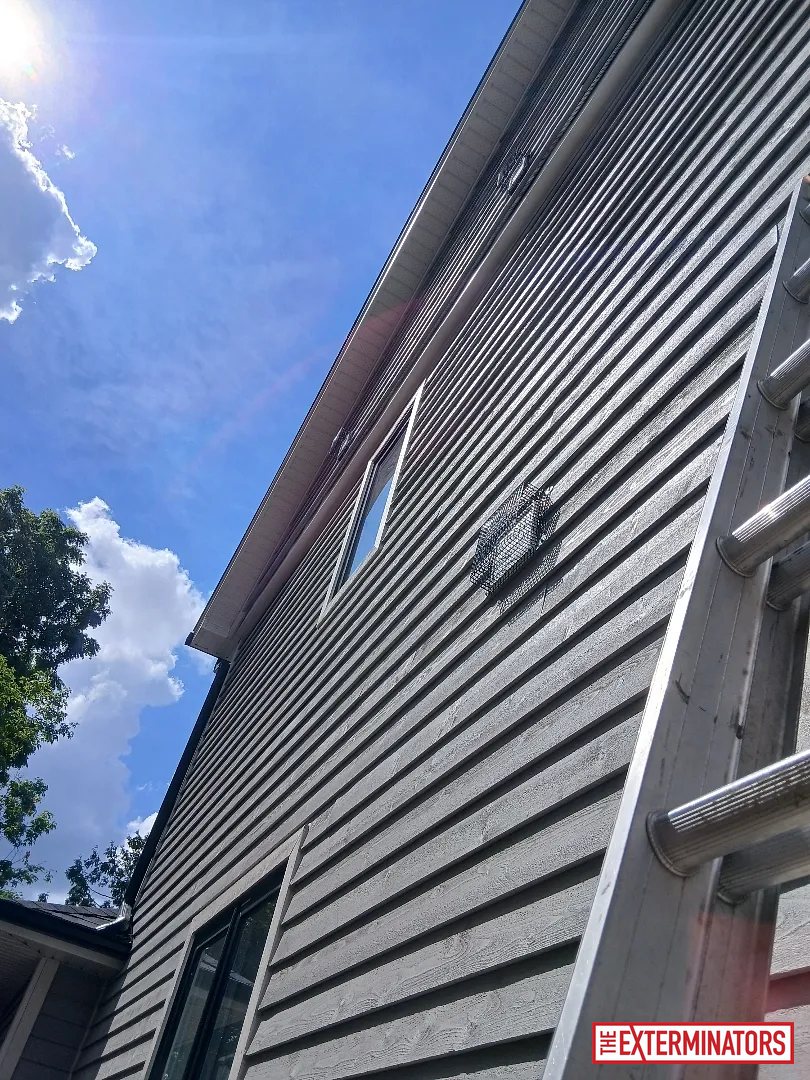
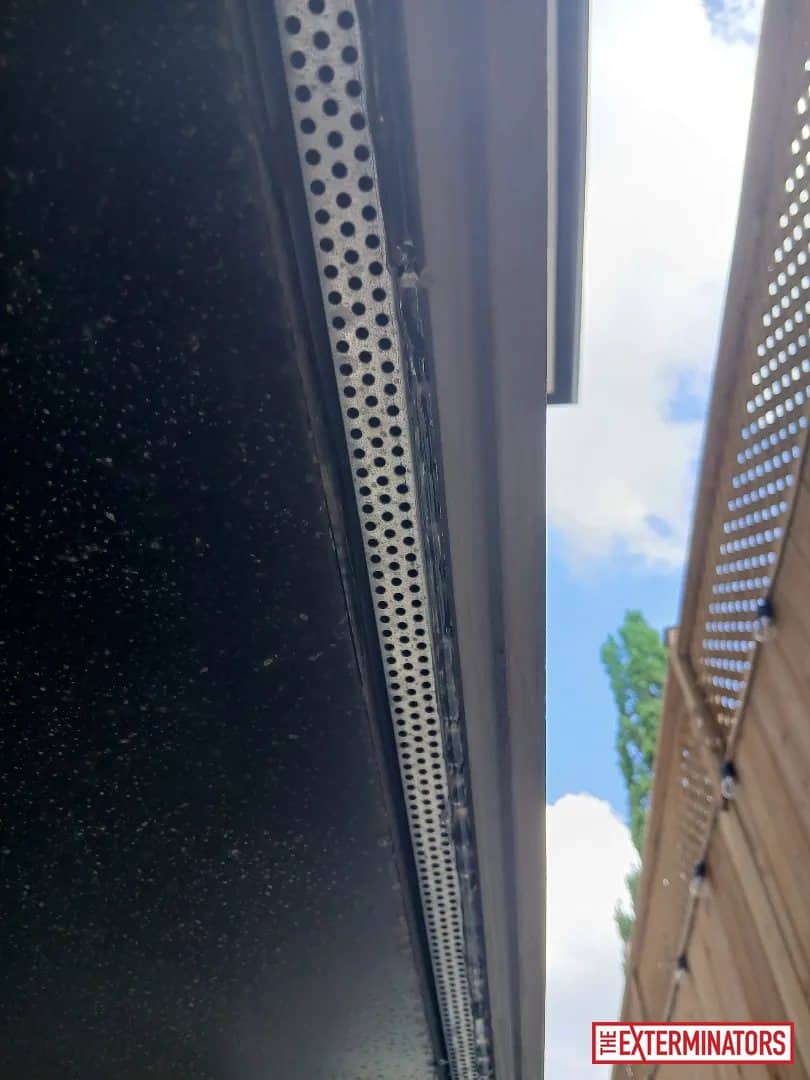
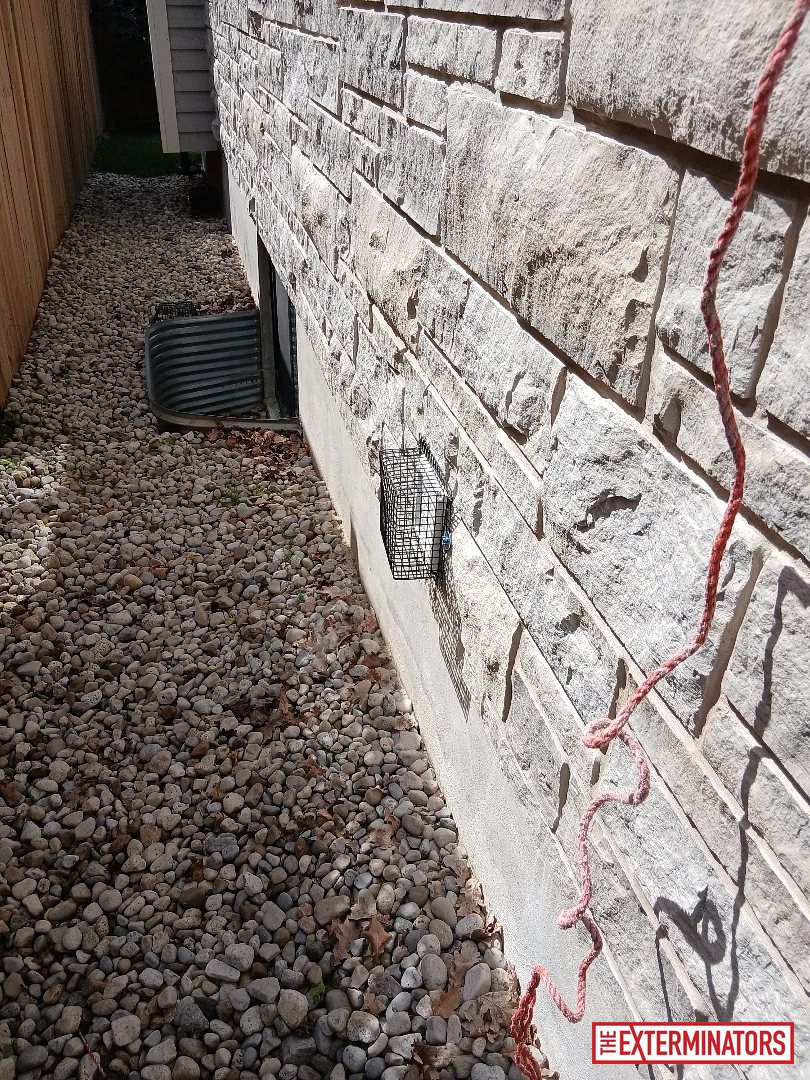
The photographs show open joints and gaps at several exterior transitions. They also document accessible ventilation openings and sections along the lower siding that required physical exclusion.
Cause Analysis
Carpenter ants can establish activity around structures where exterior conditions provide suitable access and harborage. The property also contained intentional ventilation openings and construction gaps that, when sufficiently large or unprotected, could provide rodents with potential access to concealed building spaces.
Because these were separate pest concerns, the carpenter ant activity was treated while the structural openings were addressed through physical exclusion.
Treatment / Removal
The carpenter ant treatment was performed by a licensed exterminator in accordance with Ontario Ministry of the Environment guidelines.
In addition to the carpenter ant service, our team proceeded with the approved rodent-prevention work. The objective of the exclusion was to reinforce accessible exterior openings while maintaining the intended function of ventilation points where applicable.
Exclusion & Repairs
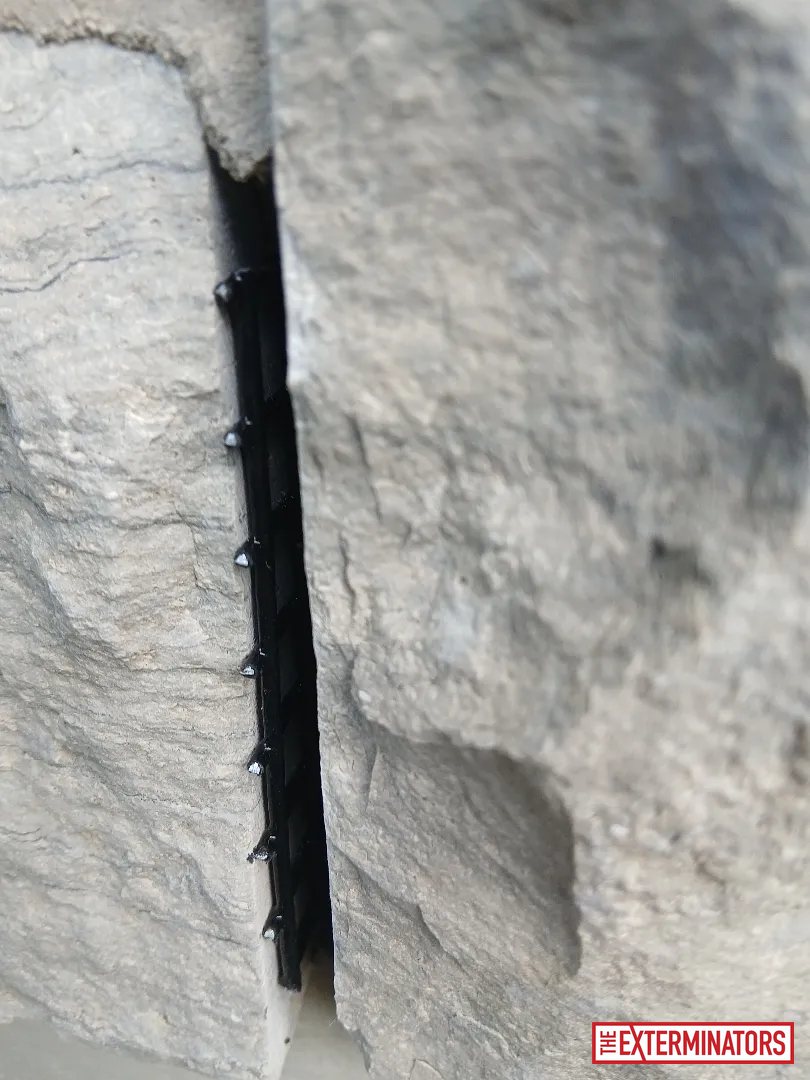
Eight exterior wall vents were secured with galvanized steel cages. Forty masonry weep vents were fitted with stainless steel vented weep-vent inserts, allowing the openings to retain their ventilation function while reducing their accessibility to rodents.
Eight gaps associated with the exterior siding were also sealed using galvanized steel mesh. The completed work provided physical protection at the vulnerable exterior openings identified during the inspection.
Outcome & Confirmation
At the follow-up visit, the homeowner reported that carpenter ant activity was no longer being observed.
The completed rodent exclusion addressed the identified wall vents, weep vents, and siding gaps. The exclusion was confirmed in place, and no rodent entry was reported following the work.
Technician Notes
Andrew identified the additional structural vulnerabilities while completing the carpenter ant service. The exterior inspection allowed our team to address both the reported insect activity and the documented potential rodent entry points.
The exclusion focused on durable physical barriers at exterior openings rather than altering the function of necessary building ventilation.